
VOLUNTEER STORY
A Week With AHR
Rami Moussa · Medical Student · AHR Volunteer
I am a Syrian American medical student shaped by years of work in community health, refugee care, and clinical research, but nothing in my background prepared me for the week I spent volunteering with AHR. I had followed the Syrian refugee crisis closely for years, always feeling a painful distance from it. When I finally joined the October 2022 mission, I did not realize how deeply it would affect me
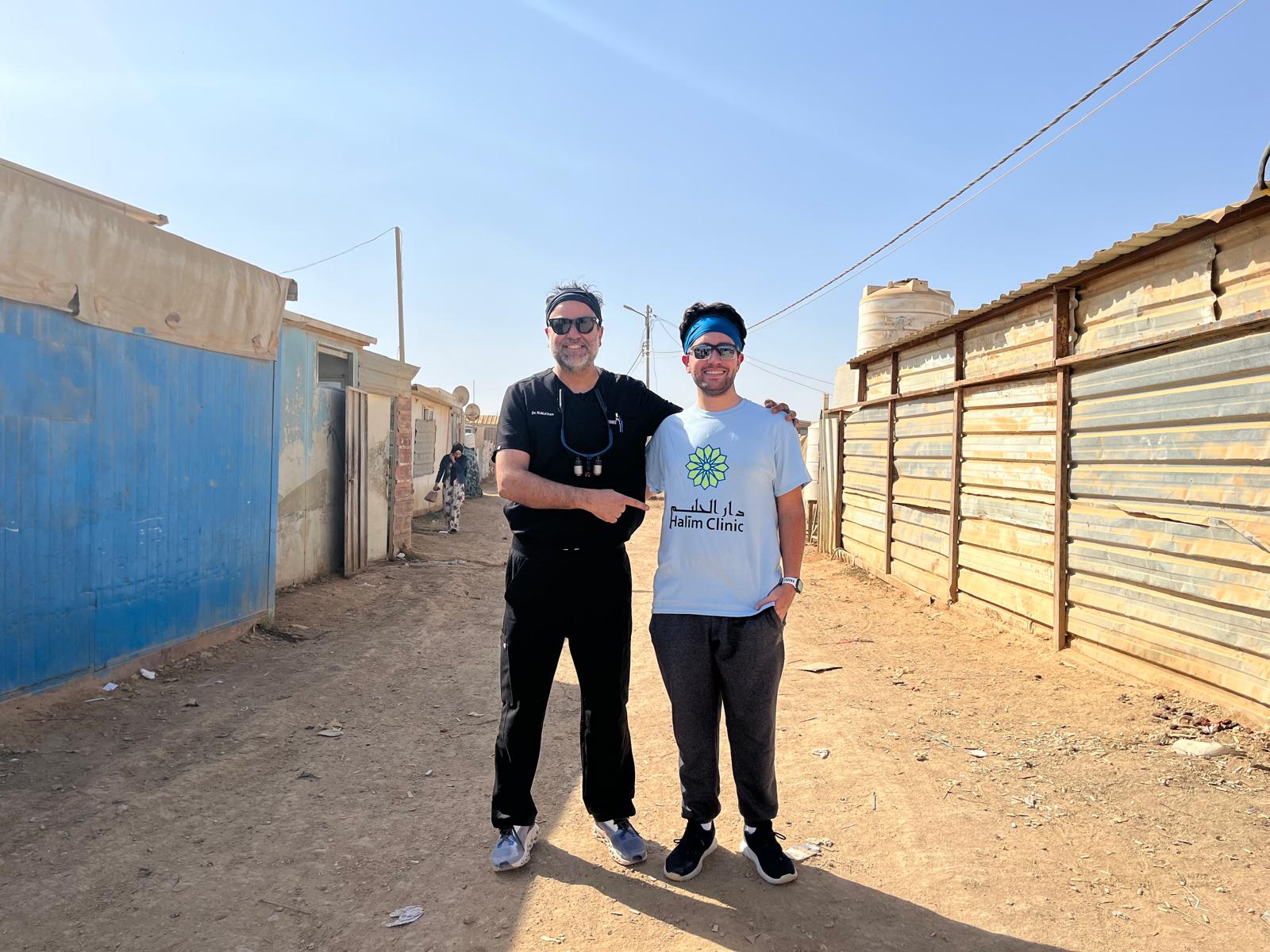
What surprised me most was discovering that several of my greatest mentors in Ohio were already part of AHR’s leadership. Seeing Dr. Humam Akbik, Dr. Nadeem Khan, and Dr. Mouhammad Aghiad Jumaa in Jordan felt like a reunion in the most unexpected place. Their presence grounded me. It reminded me that humanitarian work is not something distant or abstract. It is carried by people we know, admire, and learn from. Being with them in Jordan made the mission feel personal in a way I had not anticipated
My days were spent supporting the medical team: triaging patients, collecting vital signs, guiding families through mobile clinic stations, and translating when needed. I shadowed international physicians and watched them navigate complex cases with limited resources, relying on creativity and teamwork. Much of my time was spent with Dr. Brendan O’Shea, whose calm, compassionate approach to patient care left a lasting impression on me. His ability to connect with patients across language and cultural barriers is something I will carry with me throughout my career.
But the moments that stayed with me most were with the children. I brought a Polaroid camera, hoping to give families something tangible, a small memory to hold onto. Many had lost photos or been separated from loved ones. Their reactions were unforgettable, but one moment in particular has stayed with me in a way I still struggle to put into words.
A young girl approached me quietly, almost cautiously. I took her photo and handed her the developing print. As the image slowly appeared, she watched it with a seriousness far beyond her age. Then she looked up at me and said she would keep the photo with her parents until the day she leaves the camp and becomes a doctor like me. There was no hesitation in her voice, only certainty.
In that instant, the weight of everything she had lived through collided with the hope she still carried. It was a reminder that even in places marked by loss, children continue to dream. That small Polaroid, a simple picture, became something much larger. It became proof of her existence, her identity, her future. It became a promise she made to herself. I have carried that moment with me ever since.
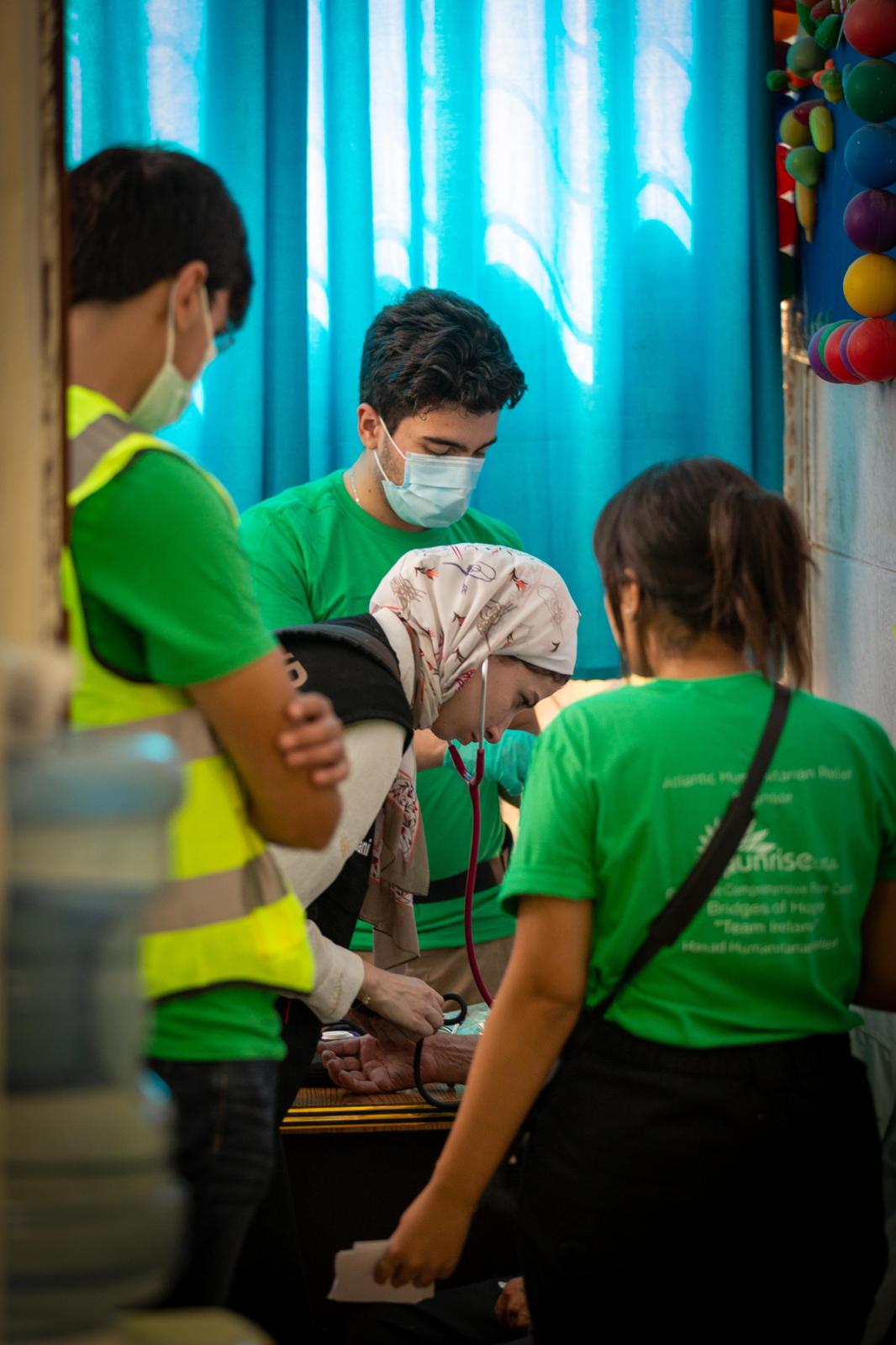
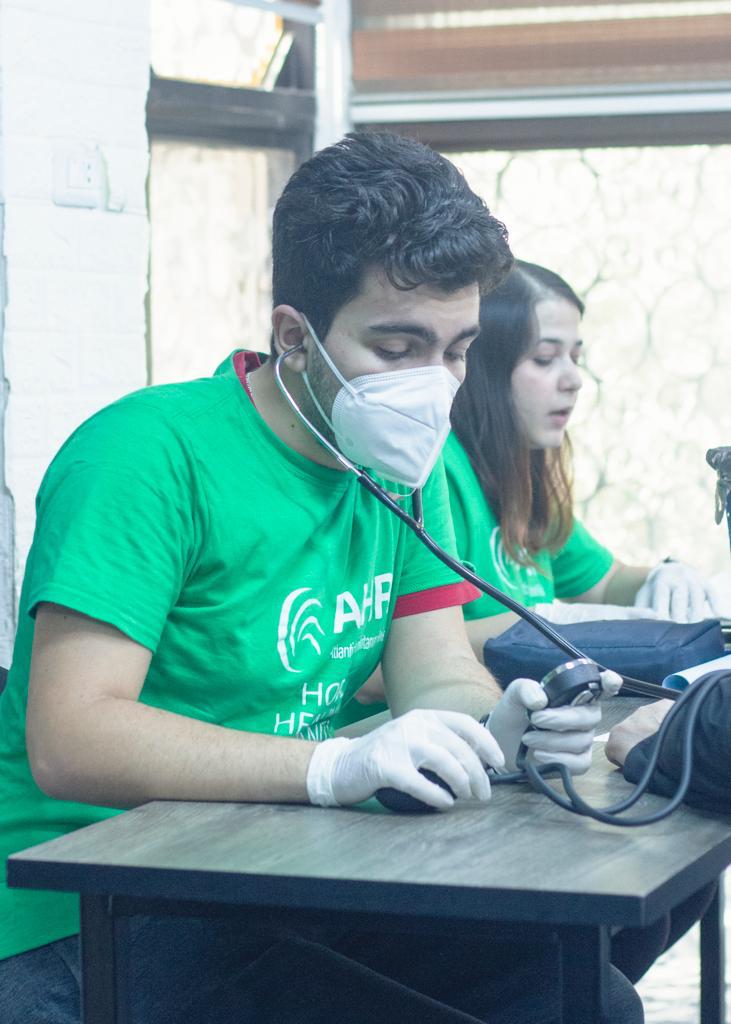
The mission days were long and demanding. We saw thousands of patients, supported surgeries, dispensed medications, and worked through logistical challenges that would overwhelm most clinics. Yet what stood out was the collaboration. International volunteers and local Jordanian professionals worked side by side, blending clinical expertise with cultural insight. Leaders like Ms. Beth Tammaro and Drs. Leen Alkalbani, Hudaa Khabour, Ghalia Sabbagh, and Arwah Al Chaieb guided the teams with a level of dedication that was both humbling and inspiring.
Outside the clinics, the sense of community continued. We sang on long bus rides, shared shawarma after exhausting days, and explored the beauty of Jordan together. I left with friends from Ireland, the United Kingdom, Austria, Germany, Kuwait, Jordan, Syria, and more. Some now live in my own neighborhood. The world felt smaller and kinder.
What AHR provides is more than medical care. It is presence. It is dignity. It is the reminder that people living through displacement are not forgotten. Small gestures, face painting, music, laughter, can rebuild trust in ways that medicine alone cannot.
This experience changed me. It deepened my understanding of the human cost of displacement and reinforced the importance of empathy, adaptability, and cultural humility in healthcare. It shaped how I want to practice medicine and how I want to lead. After the mission, I pursued a Master of Science in Global Health and Innovation, hoping to focus my thesis on AHR’s work. Although regional tensions shifted my research to India, the mission remains a foundational influence on my path. Today, I help advise AHR’s new research initiative aimed at evaluating health outcomes and improving care delivery.
Would I return? Absolutely. AHR gave me more than a volunteer experience. It gave me perspective, purpose, and a renewed sense of why I chose medicine in the first place. For anyone considering volunteering, know this: you do not need to be a physician or speak the language. What matters most is your willingness to show up with empathy and an open heart. The impact you make, and the impact the experience has on you, will stay with you long after you leave.
“What AHR provides is more than medical care. It is presence. It is dignity. It is the reminder that people living through displacement are not forgotten.”
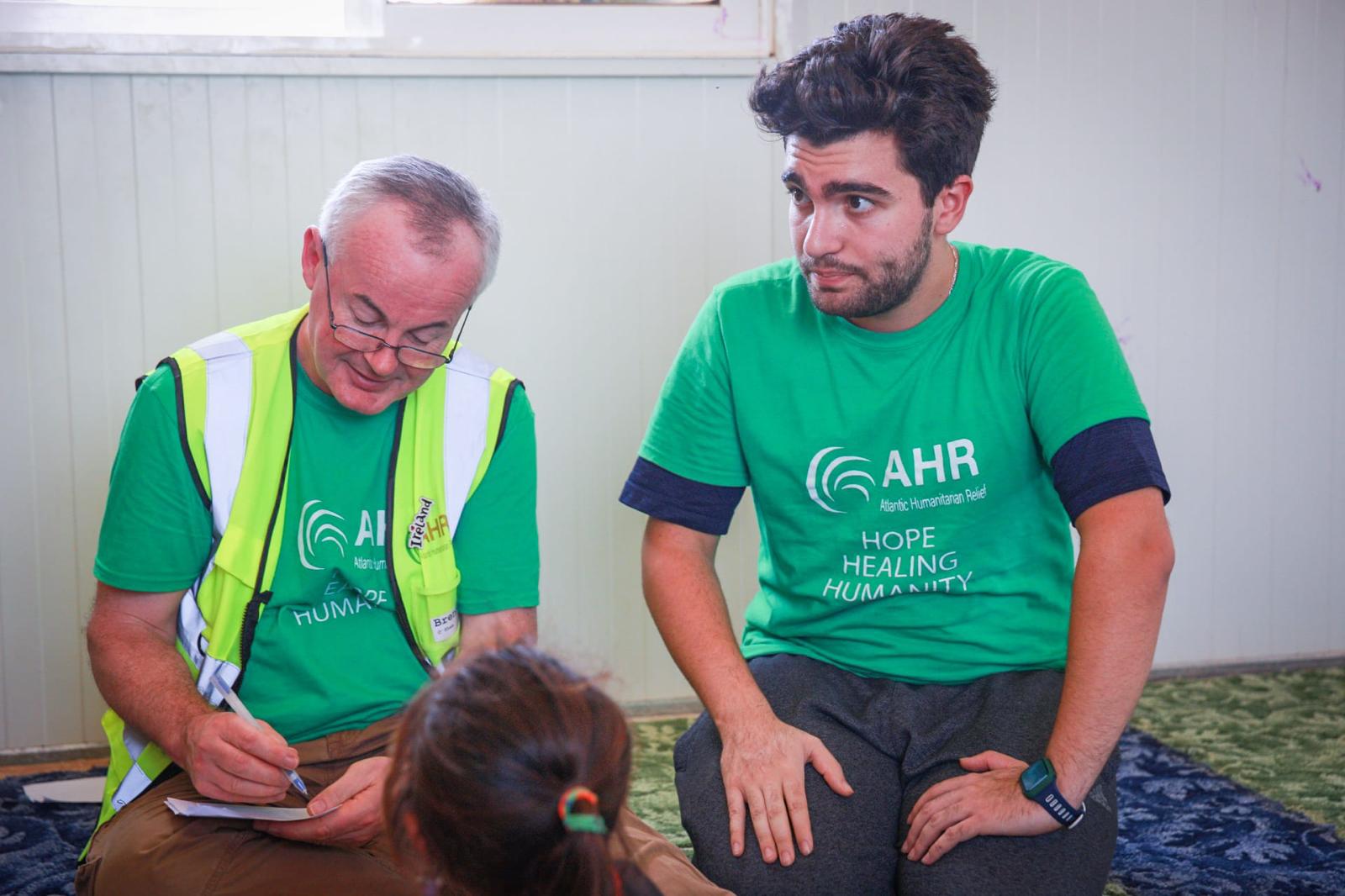
Volunteering with AHR showed Tamara that meaningful care does not require perfection or shared language—only presence and compassion. These moments of connection remain with her, a reminder that humanitarian work is built as much on empathy as it is on action.