
VOLUNTEER STORY
Where Play Became a Language of Care
Tamara Karram · Humanitarian Volunteer · AHR Volunteer
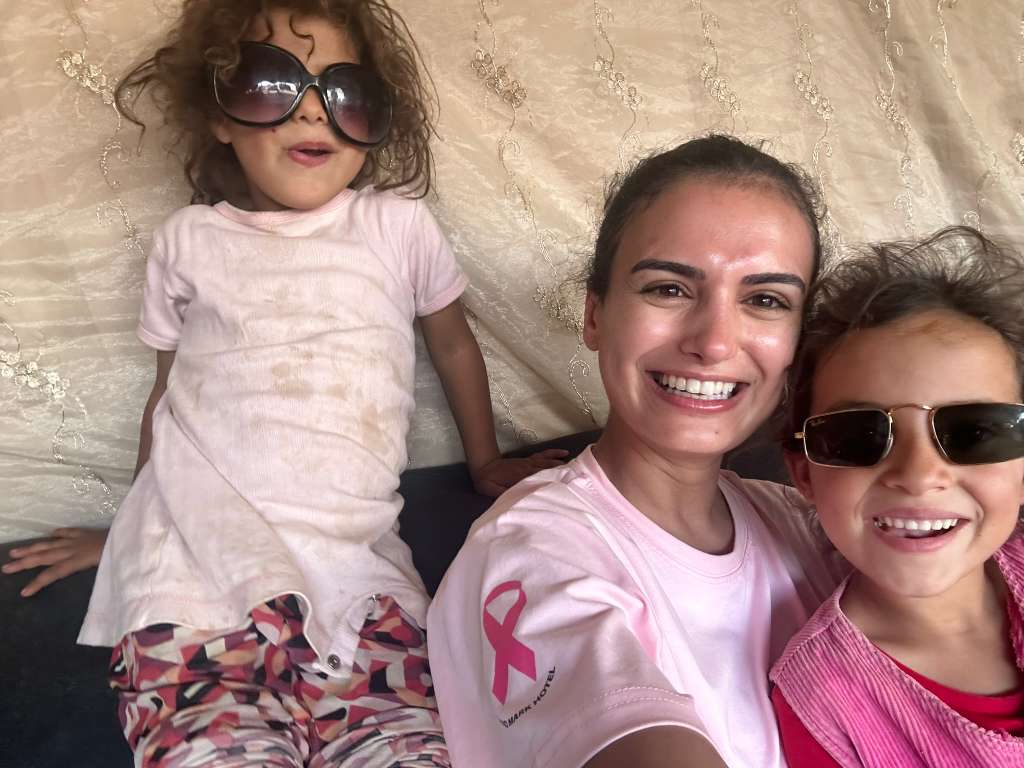
My name is Tamara Karram and professionally, I work in medical device sales. In 2024, I had the privilege of joining Atlantic Humanitarian Relief on a humanitarian mission to support displaced Syrians living in refugee camps in Jordan and surrounding regions. This was my very first mission trip with a humanitarian organization, and I worked primarily on the humanitarian side, assisting on-site at refugee camps. I was joined by my father, a urogynecologist, who volunteered on the medical side of the mission.
I first learned about AHR through Dr. Humam Akbik, a long-time close family friend and the Mission Director of AHR. Though I was familiar with the incredible work being done, I truly had no idea what to expect before landing on the ground in Amman.
I was motivated to volunteer because I wanted to step beyond my daily life and professional world and participate in service that was meaningful, challenging, and human-centered — especially for children and families caught in the fallout of Syria’s continued conflict. Even
without medical training, I felt compelled to offer presence, compassion, and support where it was needed.
The mission work was intense and rewarding: every day began early and involved traveling with the team to refugee camp sites, makeshift clinics, and mobile units to provide care and support where formal systems simply don’t reach. AHR’s approach is highly collaborative,
deploying mobile health teams equipped with a pharmacy, medical personnel, and humanitarian volunteers to deliver care directly in the field.
One of the most unforgettable experiences for me was visiting Zaatari Refugee Camp, the largest Syrian refugee camp in Jordan. Seeing how vast and deeply affected the camp was — how thousands of families live day-to-day with limited rights, opportunity, or access to care — was both heartbreaking and humbling. Yet within this environment, I also saw something powerful: resilience and humanity. Despite unspeakable hardship, there was dignity among the people we served.
My role involved working with children. On our first day at a refugee camp, I immediately recognized that language would be a barrier — I do not speak Arabic, and most of the children spoke little to no English. But I also quickly discovered that love and kindness are universal
languages. We played games, shared laughter, hugged, and simply spent time together. The children’s faces — their bright smiles and palpable joy — became one of the most powerful and pure sights I have ever experienced.
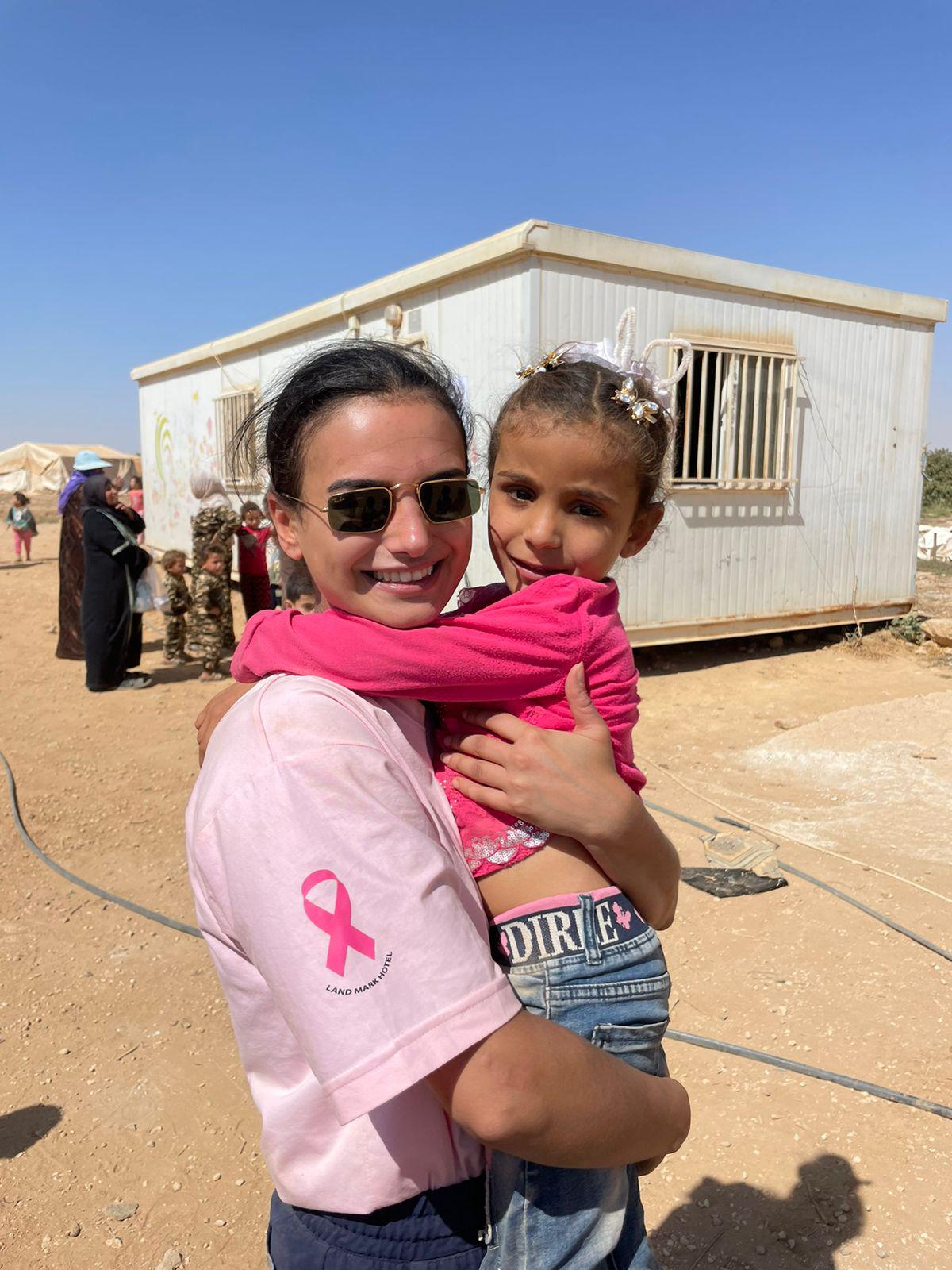
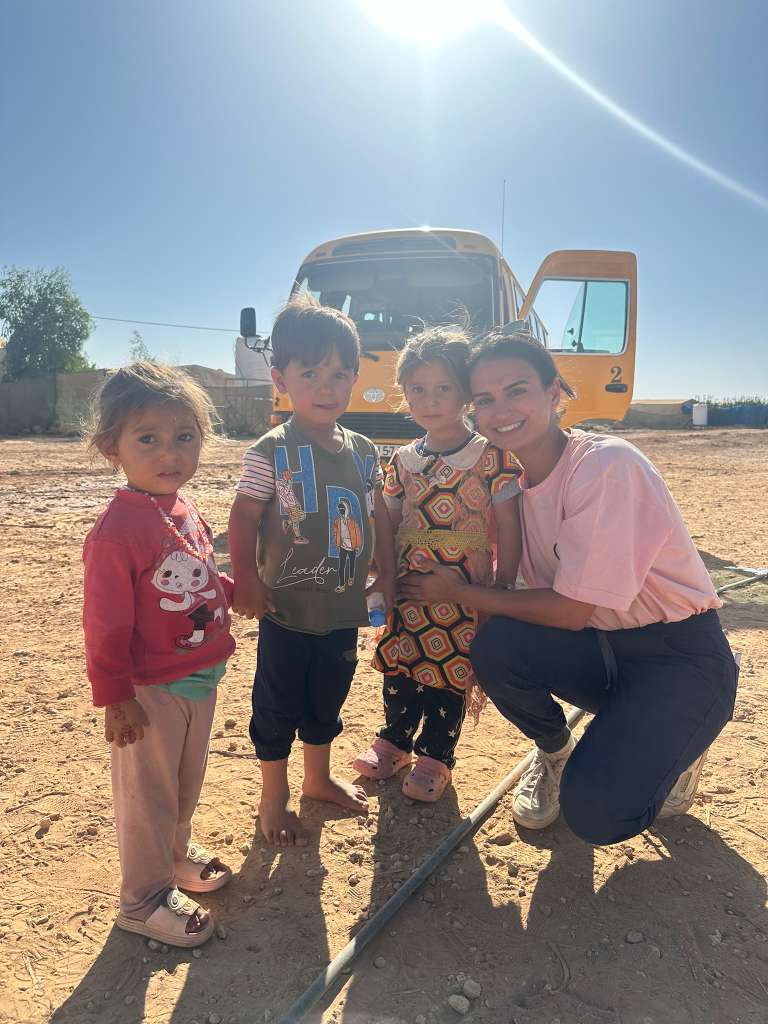
“Even without words, connection happened through play, laughter, and presence.”
The contrast was striking: innocence and wonder juxtaposed with a depth of hardship no child should endure. These children, effectively stripped of normalcy and safety, showed affection, humor, curiosity, and spirit just like any child anywhere. While I could not speak the same language they spoke, connection happened through play, laughter, and presence — and it matters deeply.
What struck me most about AHR was the collaboration among international volunteers and local professionals. Volunteers came from multiple countries and backgrounds — doctors, nurses, pharmacists, and humanitarian workers — all united by a shared commitment to serve. Together with Jordanian partners, we formed an incredible team capable of providing not only medical
care, but emotional support and community presence.
The impact of the mission stretched beyond immediate medical needs. For many of the refugees, merely feeling seen, heard, and cared for was transformational. AHR teams bring essential medications, wound care, and medical consultations free of charge — but they also bring hope, reassurance, and solidarity to people who have experienced profound loss and displacement.
This experience was deeply formative for me. Personally, it taught me how essential human connection is — especially when language, culture, and circumstance differ. The children’s smiles, the gratitude of parents, and the tireless commitment of the volunteers will remain with me always.
Professionally, it reaffirmed for me the value of compassion and presence in any context. I discovered that my contribution — whether it was playing games, helping organize supplies, or simply listening — had meaning and impact. I left the mission grateful and forever changed. It reinforced my belief that every human being deserves care, dignity, and hope, and that organizations like AHR are crucial beacons of support in incredibly challenging environments.
Looking ahead, I would absolutely join future AHR missions — and I encourage anyone considering volunteering to do so. The journey will stretch you, teach you, and open your heart in ways you cannot fully understand until you are there. If you feel called to join this mission, know this: you don’t have to be a medical professional or fluent in a local language. What is most needed — and most deeply felt — is your presence, empathy, and willingness to serve. The experience will transform you as much as it transforms those you are there to support.
Volunteering with AHR showed Tamara that meaningful care does not require perfection or shared language—only presence and compassion. These moments of connection remain with her, a reminder that humanitarian work is built as much on empathy as it is on action.